
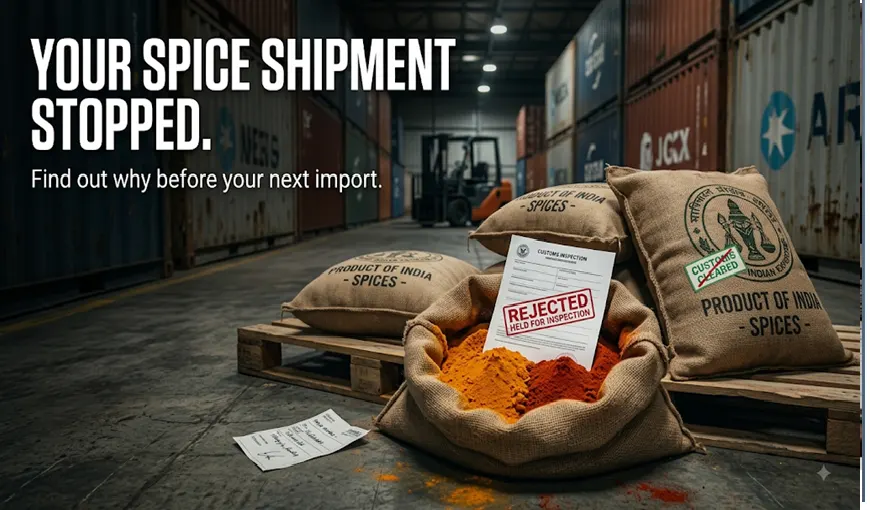
India is widely known for its rich variety of spices, including turmeric, cumin, coriander, red chilli, black pepper, cardamom, ginger, fennel, and many others. These spices are used by food manufacturers, restaurants, supermarkets, wholesalers, distributors, and private-label brands across the world.
If you are planning to import spices from India, finding a supplier is only the first step. You also need to understand product quality, certifications, packaging, shipping, customs procedures, import regulations, and payment terms.
This guide explains how international buyers can import Indian spices in a more organised and secure way.
India offers a wide range of whole and powdered spices for both commercial and retail use. Buyers can often source products in bulk quantities with customised packaging and specifications.
Some major reasons businesses import spices from India include:
Indian spices are used in curry powders, seasoning mixes, sauces, snacks, ready-to-eat foods, bakery products, beverages, herbal products, and traditional cuisines.
The right product depends on your target market and business model. Some commonly imported Indian spices include:
Other Indian spices include fennel, fenugreek, mustard seeds, cloves, cinnamon, ajwain, bay leaves, nutmeg, mace, and spice blends
Before contacting an Indian spice exporter, prepare a clear product specification. Avoid sending a general enquiry such as “Please quote for good-quality chilli.
Mention the following details:
For example, a clear enquiry could be:
We require 2 metric tonnes of cumin seeds for wholesale distribution, packed in 25 kg food-grade bags, with a Certificate of Analysis and delivery to Dubai.
A detailed requirement helps the supplier provide a more accurate quotation.
Supplier verification is essential when importing food products. Do not select an exporter only because they offer the lowest price.
Before placing an order, ask for:
You can also ask how the supplier handles quality checks, batch traceability, storage, and export documentation.
Pratap Enterprises assists international buyers who want to source Indian products for global markets. Buyers can contact the company with their preferred product, quantity, destination, and packaging requirements.
A product sample helps you evaluate whether the spice is suitable for your market and customers. Check the sample for aroma, colour, taste, texture, cleanliness, and appearance.
For powdered spices, laboratory testing is especially important. Depending on the product and destination country, testing may include:
Ask the supplier for a Certificate of Analysis, or COA, wherever applicable. Ideally, the test report should relate to the same batch that will be shipped.
Spices can lose quality when exposed to moisture, heat, sunlight, insects, or contamination. Proper packaging is therefore important during storage and international transportation.
Common packaging options include:
Bulk buyers may request 25 kg or 50 kg bags, while supermarkets and private-label businesses may require smaller consumer packs.
Retail labels may need to show the product name, ingredients, net weight, batch number, manufacturing date, best-before date, country of origin, storage instructions, importer details, and allergen information. Label requirements differ from one country to another, so confirm them before printing.
The final price of Indian spices depends on product quality, quantity, seasonality, processing, packaging, testing, freight, and destination.
When comparing quotations, ask whether the price is based on:
For first-time importers, comparing FOB and CIF quotations may help you understand the product cost and shipping cost separately.
Also calculate the complete landed cost, including freight, insurance, customs duty, import taxes, port charges, inspection, customs clearance, and local delivery.
Payment terms should be documented clearly. Depending on the transaction and relationship, businesses may use advance payment, partial advance, letter of credit, documentary collection, or payment against shipping documents.
The required documents depend on the destination country, spice type, shipping method, and local food regulations.
Common documents may include:
India’s Spices Board highlights destination-specific requirements for certain spice exports. For example, specific consignments of chilli products and nutmeg exported to European Union countries may require a health certificate and an analytical report. Buyers should verify current requirements for their particular destination before shipment. [indianspices.org](https://indianspices.org.in/ESS/)
The importer should also consult a local customs broker or food-safety authority because Indian export documents alone may not satisfy all destination-country requirements.
Every product is classified under an HS code for customs purposes. The correct classification can affect import duty, taxes, restrictions, and documentation.
The HS code may differ depending on whether the product is:
Do not depend only on an unverified code from a supplier. Confirm it with your customs broker or the customs authority in your country.
Sea freight is generally suitable for larger shipments, while air freight may be useful for samples, urgent orders, or smaller consignments.
Before shipment, confirm:
At the destination, the customs broker may help submit documents, arrange inspection, pay applicable duties, complete clearance, and deliver the goods to your warehouse.
New importers often make avoidable mistakes, such as:
A clear purchase order and written product specification can reduce many of these risks.
Pratap Enterprises can assist international buyers who are exploring Indian spice sourcing opportunities. Buyers can discuss product selection, bulk quantities, packaging, quality requirements, export documents, and shipping arrangements.
Whether you are a wholesaler, distributor, food manufacturer, restaurant supplier, supermarket buyer, or private-label brand, share your requirement with Pratap Enterprises for further discussion.
You can import turmeric, cumin, coriander, red chilli, black pepper, cardamom, ginger, fennel, fenugreek, mustard seeds, cloves, cinnamon, ajwain, and other whole or powdered spices.
Small quantities may be available depending on the supplier, product, packaging, and shipping method. Bulk orders generally provide better pricing per kilogram.
Request product samples, technical specifications, laboratory reports, and a batch-specific Certificate of Analysis where applicable. Independent inspection may also be arranged for commercial shipments.
Common documents include a commercial invoice, packing list, certificate of origin, bill of lading or air waybill, and product-specific certificates. Requirements vary by country.
Yes, private-label packaging may be available depending on the supplier, minimum order quantity, packaging design, and destination-country labelling rules.
Store spices in a clean, dry, cool, and well-ventilated area. Protect them from moisture, sunlight, insects, chemicals, and strong odours.
You can contact Pratap Enterprises for bulk spice enquiries through:
Planning to import spices from India?
Send your product name, required quantity, packaging preference, destination country, and expected delivery timeline to Pratap Enterprises.
The team can help you explore Indian spice sourcing options and understand the next steps for your international order.
With this thought, we are committed to delivering clean, reliable and authentic spices to homes and businesses worldwide accross the Globe.
© 2026 Pratap Enterprises - All Rights Reserved
© Design and developed by - Injector Technologies